
When the snowflakes pretend they played no part in the avalanche
Reflecting on the media coverage of Jason Arday.
If you’re feeling lost or alone, you can talk to the Samaritans. Call 116 123 for free from any phone in the UK or Ireland. It is open 24 hours a day, every day of the year.
I wrote about the Jason Arday story last week. My piece was mostly about his memoir and the history of dubious autobiographies, but I considered the nature of the media coverage:
Many things can be true at once: The targeting of Jason Arday had a racist motivation. Arday lied about many aspects of his life and experience. Cambridge was desperate to publicise his appointment as proof of its success in diversifying its academic workforce. The media — and the right wing press in particular — has gone in hard on the Arday story both as it allows them to make sweeping claims about EDI efforts and because it’s August, the height of the traditional silly season, when politics doesn’t offer nearly as much red meat to chew on. For a long time Jason Arday was a very lucky man. His luck ran out at the wrong time.
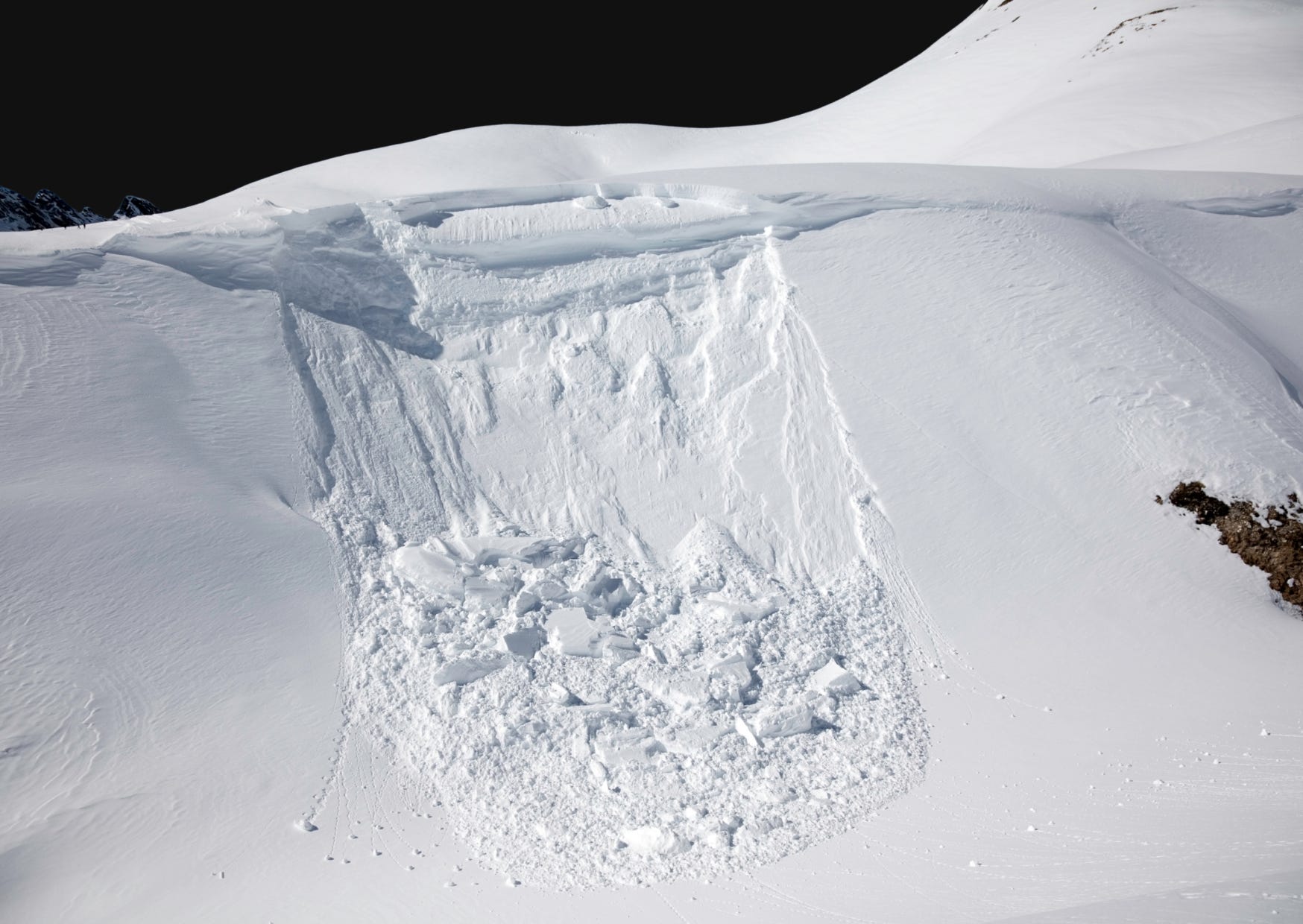
When the news broke on Friday evening that Jason Arday had been found dead, I thought about what I wrote and whether I should have written it. I thought about whether I had contributed to the chase. It’s easy to deny responsibility; to think of yourself as the snowflake that cannot possibly have contributed to the avalanche.
In looking at Arday’s extraordinary claims, I wasn’t cruel about him as an individual. I wrote about the story because I write about what the media does and why it does it. Exploring extraordinary claims does not have to come with spite or relish in someone’s downfall. I can’t lose sight of the fact that Jason Arday was a person, a human being under the unforgiving spotlight of the British and international media. Many of those writing about him and commenting on him could and did.
Yesterday, quote-tweeting a Sky News story about a crowdfunder set up to support Arday’s family, Sun columnist and Talk presenter Julia Hartley-Brewer posted on X:
I'm pretty sure Jason Arday's huge book advance would be enough to cover his funeral costs. Give your money to a more deserving cause.
On Instagram, the journalist and editor Matt Kelly, founder of The New World — to which I am an occasional contributor — posted a screenshot of the tweet and asked: “What on earth is she thinking? Who says things like this?”
She was thinking that she has been consistently rewarded for having that kind of opinion. On her radio show, broadcast weekdays morning on Talk TV, she says things that unpleasant multiple times in every show. Hartley-Brewer belongs to a class of commentator for whom the barrel has no bottom. Performative cruelty is a professional advantage to them.
Jason Arday resigned as Professor of Sociology of Education at the University of Cambridge on 5 August. His memoir, Great and Unfortunate Things, was released in the US on 11 August and is due to be published in the UK on 27 August. The coverage focused on him should have calmed down after his resignation, but day after day, he remained on the front pages of news websites and the stream of commentary continued. He was down and the British media kept kicking.
In The Sunday Times this weekend, Matthew Syed filed a column about his sister, Dr Rebecca Syed Sheriff’s professional connection and friendship with Jason Arday. He wrote:
As the Arday story played out, I exchanged messages with Rebecca as her anxieties about his mental health escalated. She felt that he needed a defender in the press but I prevaricated in ways I now believe were cowardly. I wrote on the benefits of diversity programmes last week but failed to express the fear that attacks on Arday, while clearly justified in the early stages, had become disproportionate, even dangerous.
Syed has been commended by some for his bravery in writing the column, but there is a lacuna at the heart of his confession. Who and what did he fear that led him not to speak up before the story ended in tragedy? I don’t think he’s brave after that fact. Across just 21 days, from 24 July to 14 August, The Times and Sunday Times published dozens of articles on the Arday story and ran paid ads to promote those pieces on social media. When Syed writes that Arday was failed “by some in the media”, the call is coming from inside the house.
Another Times journalist, Sarah Ditum, who wrote a stinging review of Arday’s memoir, wrote on Substack yesterday that “Jason Arday’s death is terrible” but “so is using it to attack journalism”. I’m brought back again to that idea that many things can be true at once:
Jason Arday’s appointment at Cambridge came with a great deal of positive media coverage. It made him a tall poppy. The allegations of plagiarism and the questions around the stories he told both in his memoir and in public long before that were legitimate avenues for investigation.
Arday used the notorious law firm Carter Ruck to shut down one attempted investigation by Jack Grove, a reporter for Times Higher Education (the publication hasn’t shared an owner with The Times since 2005). Grove was investigated by the Met after a harassment complaint. The police considered the matter closed after an officer advised Grove not to contact Arday again “because it was affecting his mental health”. In a piece for Times Higher Education, Grove wrote that he had only emailed Arday three times over the course of two months. The threat of legal action led his editor’s to spike the story.
The accusations of plagiarism in Arday’s doctoral thesis were resurfaced by the racist former Cambridge academic Nathan Cofnas on July 21 in a Substack post. That’s the point at which the Arday story became a topic of interest for the mainstream press. Hundreds of articles and comment pieces were published with Jason Arday as their main focus. The Times and Sunday Times produced the most but The Daily Telegraph followed closely behind. Search the Telegraph archive now though and you’ll find that huge amounts of its Arday coverage, including most of the commentary from columnists, doesn’t show up. It’s still online, you just have to know where to find it.
Across social media, the most prominent source of apparent data on the media pile-on over the Arday story is a site called NewsCord. It’s “AI-powered” which means its dataset cannot be trusted. As the change in the search at the Telegraph indicates, it’s very easy for publications to hide what they’ve published, especially from automated scrapers. That’s why I’ve not used any of its claims on numbers of articles published by any given outlet in this post.
The Spectator — which produced many pieces on Arday and made him its cover story — published a comment from its columnist Melanie McDonagh on Saturday, headlined The tragedy of Jason Arday. In it, McDonagh writes:
It’s sometimes hard for pundits, self included, to remember how terrifying it is to be at the heart of a media firestorm. Jason Arday isn’t the first to feel the pressure to be unbearable.
We may not feel exactly guilt at participating in the row, but it would be strange if we didn’t feel sober, chastened, by his tragic end.
I don’t believe that McDonagh or anyone else at The Spectator is particularly “chastened” at the turn of events. Returning to Ditum’s post, there is a grim honesty there when she writes:
The Substack post by Nathan Cofnas that initiated Arday’s fall was published on 21 July — that’s one day after Andy Burnham assumed the Labour leadership and became prime minister, and two days after the World Cup final. As a country, we were desperate for something to talk about.
And Arday was a perfect silly season story. It was — and I am sorry to say this now that Arday is dead, but it is true — very funny. There was a childish brazenness to his exaggerations and inventions…
Elsewhere in the post, she refers to unpicking Arday’s claims becoming “a national sport”. That Arday lied is used as a justification for the relentless pursuit of him and the glee with which that chase was undertaken. Ditum writes that “the majority of the coverage was about institutional issues rather than Arday personally”, but that’s not true, he was made the main character and an avatar for everything the right considers to be wrong with the world.
The author Musa Okwonga raised something about this line from Ditum’s original review of Arday’s book:
Think of the diligent, decent black academics who have been lumbered with the embarrassment of having Arday as a figurehead.
His response was to point out: “No, think of why black academics are held collectively responsible in ways that white academics are not.”
As I wrote last week, if Arday had been white, he may have spent some time under the media’s unforgiving spotlight, but the intensity would not have been so severe, the focus would not have been so relentless. His blackness was used as a marketing gimmick by Cambridge and it was used against him in the media campaign of the past few weeks. Plenty of the journalists and columnists who were involved in it have nodded to the racist motivations but exempted their own part in it from any sense of that: ‘Oh yes, the racists were delighted, but our delight was different.’
The Samaritans guidelines on reporting suicide are clear. They say:
Speculation about the ‘trigger’ or cause of a suicide can oversimplify the issue and should be avoided. Suicide is extremely complex and most of the time there is no single event or factor that leads someone to take their own life.
That cannot be a get out clause for the press and wider media. Matthew Syed writes about the “some in the media” failing Arday but turns away from the papers who publish him. Lewis Goodall posts on social media that the British media has questions to answer about its disproportionate coverage but doesn’t mention the role of LBC, the station where he has a show and whose owner, Global, publishes his podcast The New Agents, which dedicated hours to the issue.
I can stand by what I wrote last week, but it doesn’t stop me from thinking hard about what I write and why I write it. The speed at which members of my industry can exonerate themselves somehow remains shocking even as it is unsurprising.
The paperback of Breaking: How the Media Works, When It Doesn’t, and Why it Matters is out on August 28. If you enjoy this newsletter, please think about pre-ordering a copy. Tickets for the book launch are available now.
Please also think about sharing this edition…
… and, if you haven’t yet, consider upgrading to a paid subscription.
You can also buy a t-shirt if you’d like to make a one-off contribution.
I suppose that if at least a few journalists and opinion-writers choose to be guided by truth and courage, rather than tribalism, this sad death will have achieved something.
Speaking of truth, why are more people not attacking Reform UK regarding their lies about the reasons for Nigel Farage avoiding the Clacton count (and Count). If a politician or political party falsely attributes a statement to the police in order to explain politically embarrassing behaviour, that is potentially more important than an ordinary political fib.
Pleased that you can still be surprised by the speed with which commentators have been able to exonerate themselves. I'm not surprised - by that or by anything else about this affair - but then I have been observing the uniquely awful English commentariat for a very long time. When I saw the news of his death, my first thought was 'trebles all round at the red-tops'.